

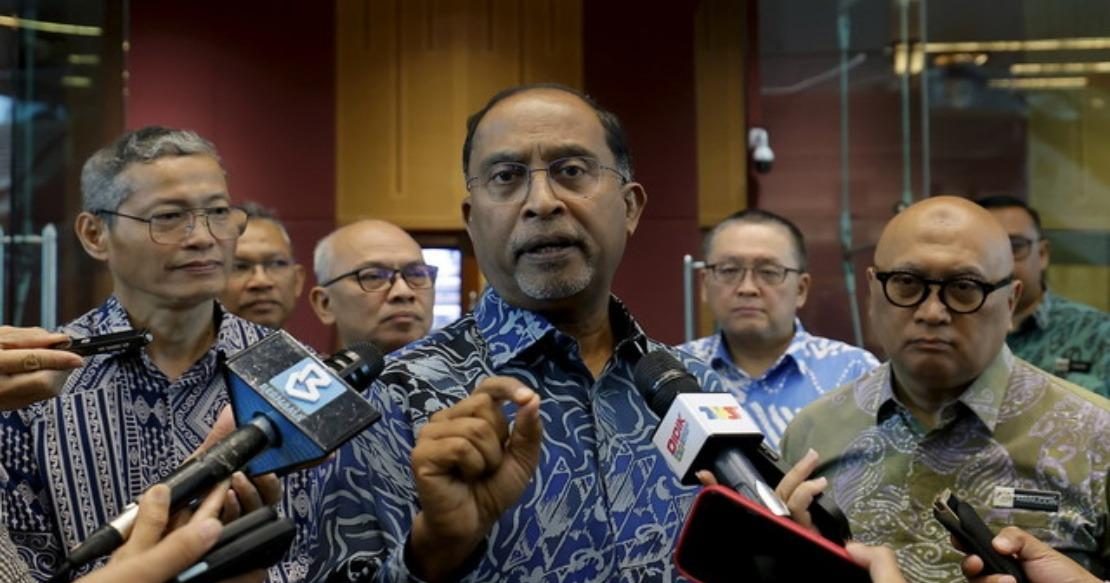
PUTRAJAYA, May 15 – The Bahasa Melayu and History subjects in the Sijil Pelajaran Malaysia (SPM) examination remain compulsory requirements for admission into public institutions of higher learning (IPTA), including for students from outside the national education system, said Higher Education Minister Datuk Seri Dr Zambry Abd Kadir.
He said this also applies following yesterday’s Cabinet meeting, which agreed on several decisions relating to admission pathways for students from tahfiz institutions, private schools and Sekolah Menengah Persendirian Cina (SMPC) to pursue studies at IPTA.
“SPM remains compulsory even for students from those streams. This is because our UPU (UPUOnline system) assessment is based on SPM results.
“This means they are required to sit for the examination, including passing History and Bahasa Melayu, which are recognised by the Malaysian Examinations Council,” he told reporters after presenting the 2025 excellent service awards to Department of Polytechnic and Community College Education staff here today.
Earlier in his speech, Zambry stressed that IPTA entry requirements must still be based on the SPM system, even though the government has opened certain pathways for students from other education streams.
“The principle remains the same. From whichever stream, entry into IPTA must be based on our SPM system,” he said.
-Advertisement-
He added that the government’s decision had been misinterpreted by some parties as if it compromised the national education system.
Yesterday, the government had agreed to several decisions relating to admission pathways for students from tahfiz institutions, private schools and SMPC into IPTA.
Candidates from these streams who also possess a full SPM certificate may apply for any programme offered through the UPUOnline system.
In other developments, Zambry said the government is working to elevate polytechnics and community colleges to a new level in line with current changes and national development needs.
“We can no longer view polytechnics merely as supporting institutions. The world is changing, and we know that if we do not change, we will be left behind,” he said. – BERNAMA