
KUALA LUMPUR, 25 November 2026 (The Capital Post) – The BUDI MADANI RON95 (BUDI95) programme has emerged as a key component of the government’s targeted subsidy reforms, helping eligible Malaysians manage fuel costs amid global economic uncertainties and rising oil prices.
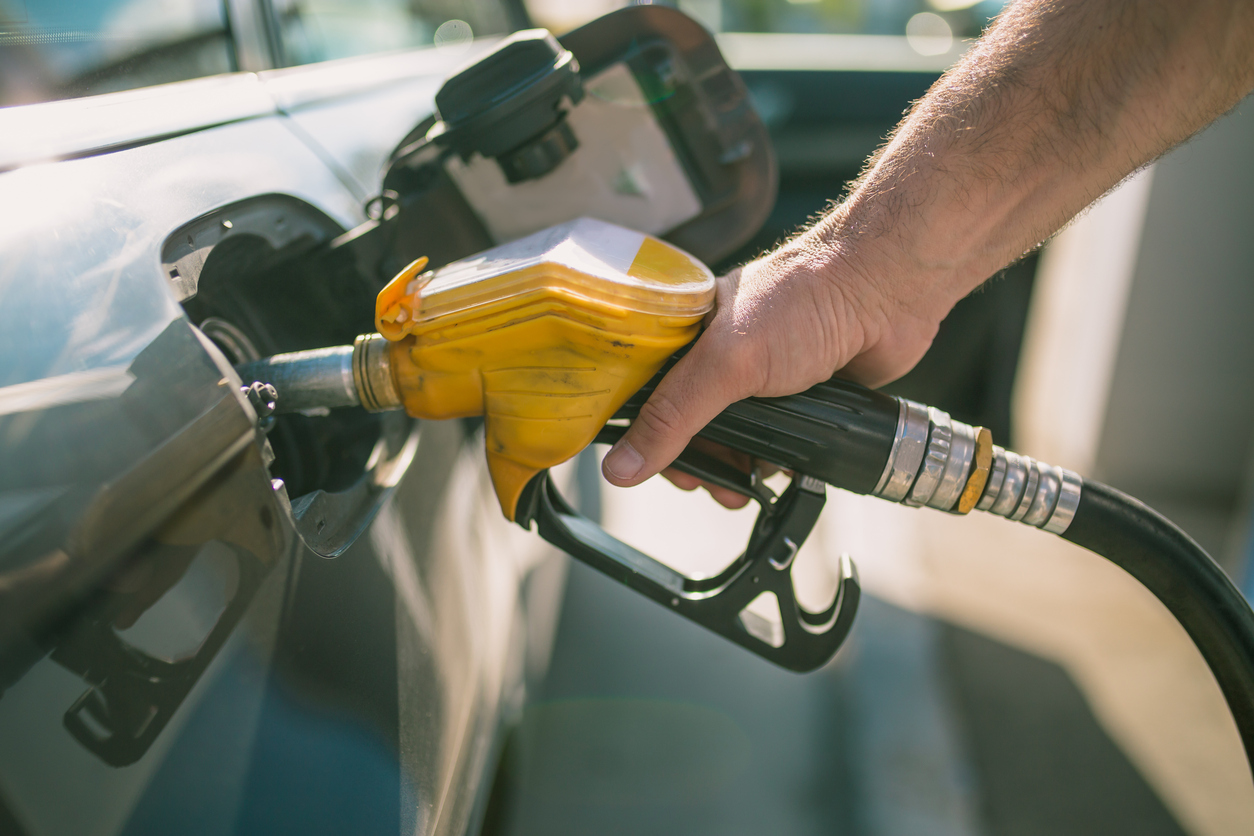
Introduced as part of the MADANI administration’s broader fiscal reform agenda, the programme provides subsidised RON95 petrol at RM1.99 per litre for eligible Malaysian citizens.
According to Bernama, the initiative was rolled out nationwide on 30 September 2025, following earlier preparations involving the Central Database Hub (PADU) in January 2024 and targeted diesel subsidy reforms in June 2024.
Under BUDI95, eligible Malaysian citizens with valid driving licences can purchase subsidised RON95 petrol using MyKad verification, subject to a monthly entitlement of 300 litres.
The unsubsidised RON95 price stood at RM3.72 per litre for the period from 19 to 25 November 2026, compared with the subsidised price of RM1.99 per litre.
World Bank lead economist for Malaysia Dr Apurva Sanghi described the targeted fuel subsidy reform as a positive step towards managing fiscal pressures and improving subsidy distribution amid geopolitical uncertainty.
Managing Inflation and Fuel Costs
Bank Muamalat Malaysia Bhd chief economist Dr Mohd Afzanizam Abdul Rashid said Malaysia’s inflation rate remained around 1.8 per cent between January and October 2026 despite increases in global crude oil prices linked to the conflict in West Asia.
He said the figures suggested that targeted fuel subsidies had helped limit the impact of higher energy costs on domestic inflation.
Mohd Afzanizam also highlighted the role of Petroliam Nasional Bhd (Petronas) in securing fuel supplies and supporting domestic price stability.
Strengthening Targeted Subsidies
More than 16 million Malaysians were expected to benefit from BUDI95, based on eligibility records maintained by the Road Transport Department (JPJ) and National Registration Department (JPN).
The MyKad verification system is intended to ensure subsidies reach eligible recipients while reducing potential leakages and misuse.
According to the Ministry of Finance’s Economic Outlook 2027 report, more than 14.8 billion litres of RON95 petrol had been purchased at subsidised prices as of the end of August 2026, involving RM18 billion in subsidy disbursements.
During the same period, more than 130 million litres of diesel were consumed under the targeted BUDI MADANI Diesel programme, involving approximately RM295 million in subsidies.
-Advertisement-
The diesel programme was expanded nationwide on 1 July 2026, allowing eligible recipients to purchase diesel at RM2.10 per litre, compared with the unsubsidised price of RM4.72 per litre between 19 and 25 November.
Supporting Government Finances
BUDI95 is projected to generate annual fiscal savings of between RM2.5 billion and RM4 billion.
Meanwhile, estimated savings from targeted diesel subsidy reforms have increased from an initial RM4 billion to between RM6 billion and RM7 billion.
Mohd Afzanizam said these savings could provide the government with additional fiscal space to support essential programmes and assistance for households.
He noted that allocations for Sumbangan Tunai Rahmah (STR) and Sumbangan Asas Rahmah (SARA) increased from RM13 billion to RM15 billion in 2026, with a further increase to RM16 billion planned for 2027.
The economist also suggested that the government could further refine subsidy eligibility through the MyKad system, potentially incorporating income-based criteria in the future.
Government Reaffirms Commitment
Finance Minister II Datuk Seri Amir Hamzah Azizan described BUDI MADANI as an important initiative to ease living costs, support disposable income and reduce fuel subsidy leakages.
Prime Minister Datuk Seri Anwar Ibrahim has also said the government is prepared to absorb higher fuel subsidy costs rather than pass the full impact of global oil price increases on to consumers.
According to Bernama, Anwar said annual fuel subsidy expenditure could reach RM45 billion if global crude oil prices climbed to between US$120 and US$130 per barrel.
He maintained that the government’s approach was intended to protect households, particularly low- and middle-income groups, from higher fuel expenses.
The targeted subsidy programme remains a central part of Malaysia’s fiscal reform efforts, balancing the government’s stated objective of supporting households with the need to manage public expenditure.– The Capital Post