

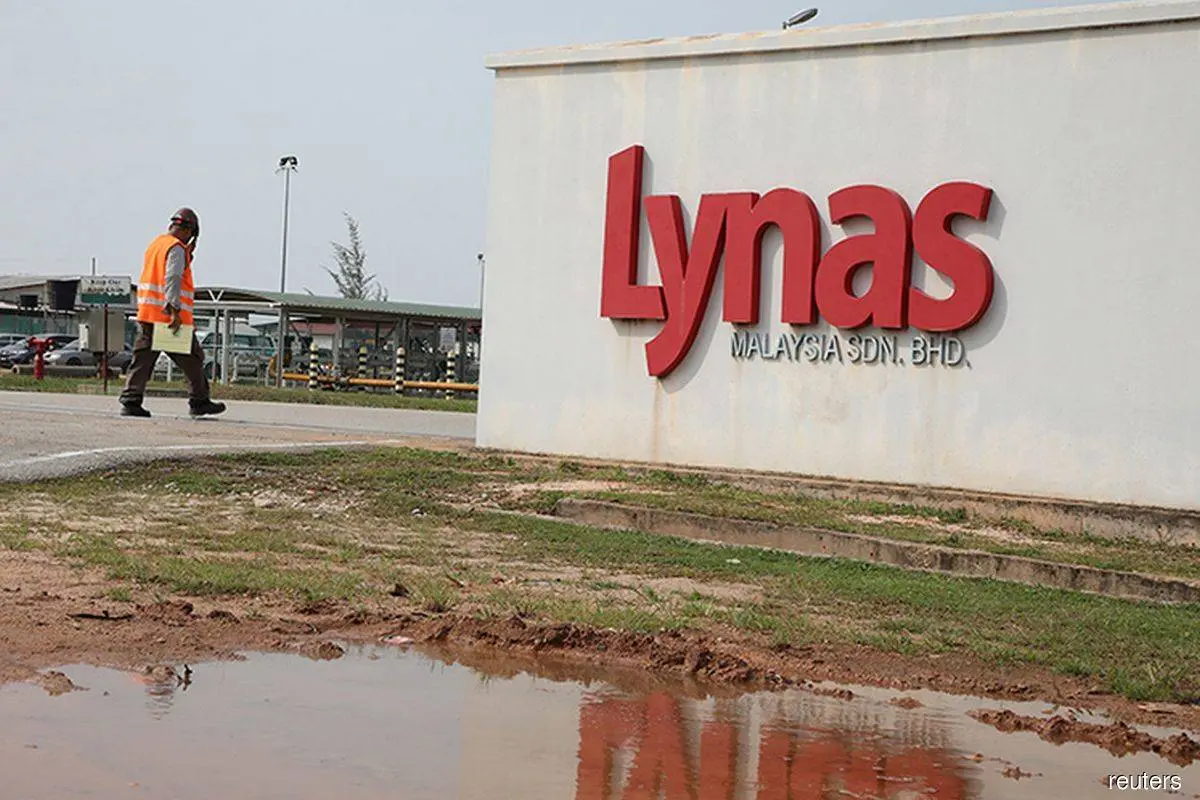
KUALA LUMPUR (The Capital Post) — The Malaysian government has granted a 10-year renewal of the operating licence for Lynas Malaysia’s rare earths processing facility in Gebeng, Pahang, but with significantly stricter environmental and waste-management conditions attached, Science, Technology and Innovation Minister Datuk Chang Lih Kang said Monday in Parliament.
Under the revised terms of the extension, which runs from March 3, 2026, to March 2, 2036, a key requirement is that production of Water Leach Purification (WLP) residue, the radioactive waste by-product of rare earth processing, must cease by 2031. Any WLP generated in the first five years must be neutralised to levels below regulatory limits before disposal, Chang said.
Chang stressed that no new permanent disposal facilities (PDFs) for radioactive residue will be authorised beyond the one currently under construction. WLP produced before 2031 will be stored in that existing facility — which is expected to be completed later in 2026 — and the government will not require the waste to be shipped overseas.
The minister also outlined enhanced expectations for research and development (R&D), requiring Lynas to translate research outcomes into commercial applications and work more closely with local institutions. A longstanding condition — that 1 per cent of annual gross revenue be allocated to R&D — carries forward into the new licence.
-Advertisement-
Putrajaya will maintain strict oversight and enforcement of all licence conditions, with regular monitoring of radiation safety, environmental protection and waste handling by the Atomic Energy Department, Chang said. Data on environmental radiation levels will be made publicly available through national monitoring systems to strengthen transparency and public confidence.
Lynas Rare Earths’ chief executive, Amanda Lacaze, welcomed the extension, saying it provides long-term investment certainty for the company and its global supply partners amid rising demand for rare earth materials critical to advanced technologies and green energy applications.
The decision follows broader concerns in Malaysia over environmental and public health implications of radioactive waste from rare earth processing, which have drawn scrutiny from activists and political figures in past licence negotiations. – The Capital Post