

PHNOM PENH 13 April 2026 (The Capital Post) – Cambodia is increasingly turning to renewable energy and stronger regional connectivity as key strategies to protect its economy from global uncertainties, according to the Asian Development Bank (ADB).
The assessment, presented during the release of ADB’s latest economic outlook, highlights how the country’s transition toward cleaner energy sources and its geographic position within Southeast Asia could help cushion the impact of external disruptions such as volatile fuel prices and geopolitical tensions.
ADB officials noted that Cambodia has already made significant progress in its energy transition, with more than 60% of its electricity generation coming from renewable sources. This shift has reduced reliance on imported fossil fuels, which often expose the economy to sudden price increases during global crises.
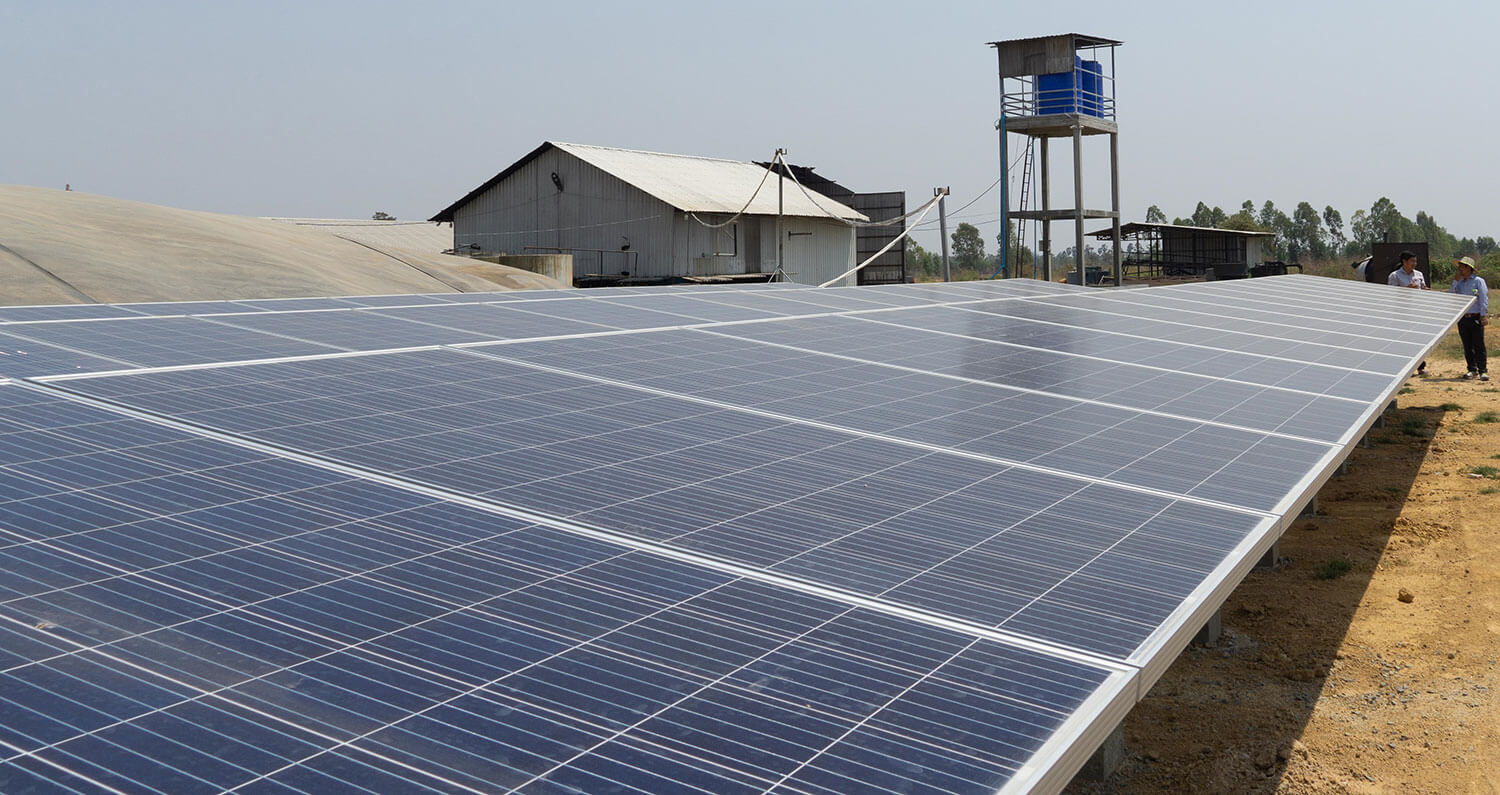
Investments in solar power, hydropower and energy storage systems have accelerated in recent years, supported by development partners. A major solar initiative in Kampong Chhnang, which began operations in 2024, now supplies a substantial portion of electricity to the capital while helping to lower energy costs and reduce carbon emissions.
The government is also pushing for greater adoption of electric vehicles (EVs) as part of its broader clean energy agenda. Authorities have introduced incentives such as eliminating import duties on certain EVs, aiming to reduce fuel dependency while making use of the country’s expanding renewable energy capacity.
Beyond energy, Cambodia’s location offers flexibility in trade and logistics. With access to multiple neighboring countries, including Vietnam and Laos, the nation is able to redirect trade flows when disruptions occur along specific routes. This adaptability is seen as a critical advantage for maintaining supply chains during periods of instability.
-Advertisement-
Regional initiatives such as cross-border infrastructure and the Asean power grid are expected to further enhance Cambodia’s resilience by enabling electricity sharing and improving economic integration. These efforts could also create new opportunities for growth through deeper regional cooperation.
Despite these strengths, ADB economists caution that Cambodia remains vulnerable due to its dependence on imported materials across key sectors. Agriculture relies heavily on imported fertilisers, while manufacturing depends on foreign raw materials, leaving the economy exposed to supply chain disruptions and price fluctuations.
However, policymakers still retain room to respond to economic challenges through fiscal and monetary measures. Relatively low public debt and a stable financial framework provide the government with flexibility to implement support policies during times of crisis.
Looking ahead, experts believe Cambodia’s continued investment in renewable energy, regional integration and structural reforms will be crucial in transforming current vulnerabilities into long-term economic resilience.
As global conditions remain uncertain, the country’s ability to leverage these strengths will play a decisive role in shaping a more stable and sustainable future. -The Capital Post