

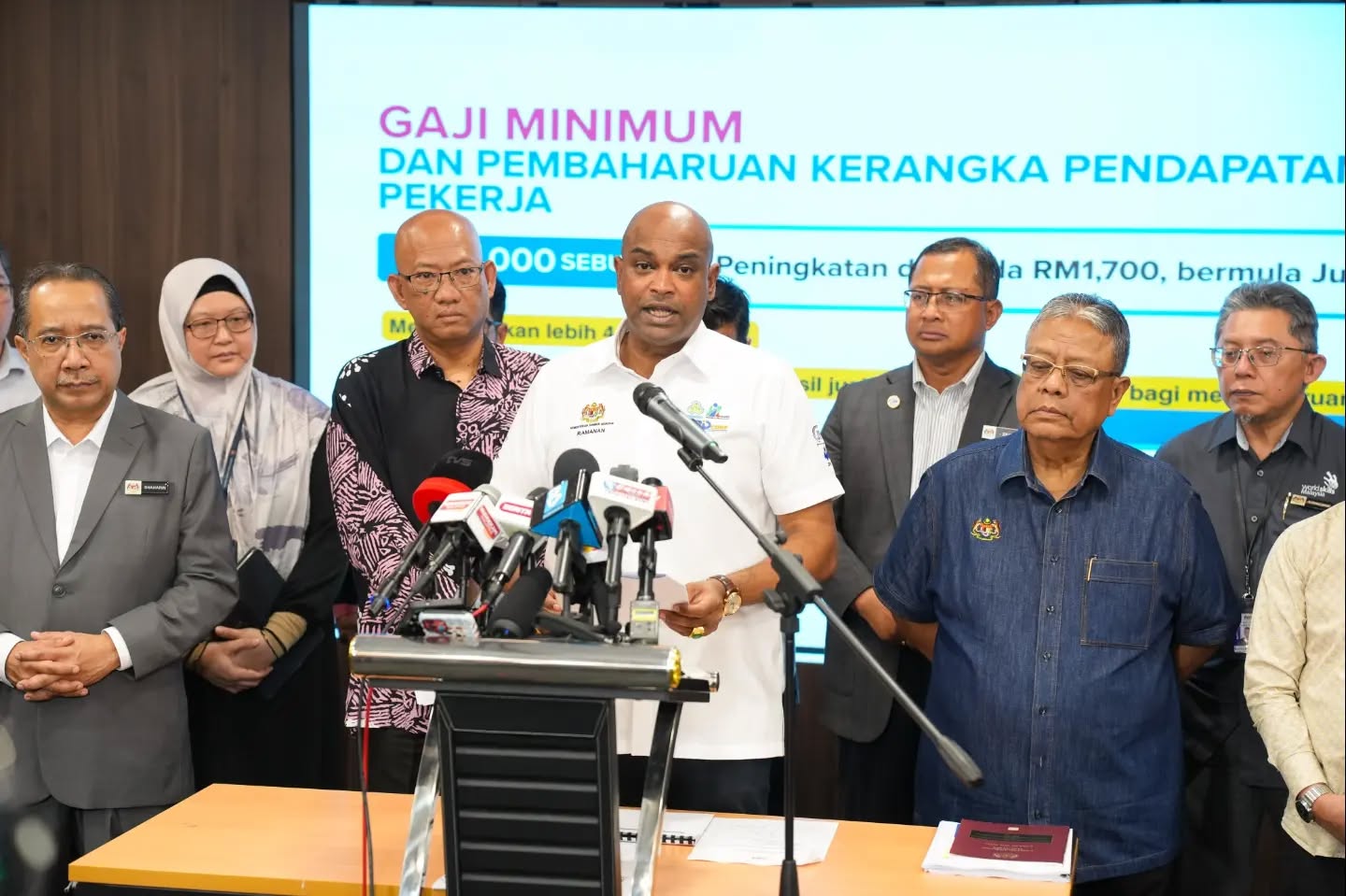
PUTRAJAYA, 17 October 2026 (The Capital Post) – The Ministry of Human Resources (KESUMA) is developing a new starting salary framework of RM2,500 for graduates and semi-skilled workers to ensure wages better reflect employees’ qualifications and skills.
Human Resources Minister Dato’ Sri Ramanan Ramakrishnan said the initiative follows the announcement under Budget MADANI 2027 and forms part of efforts to strengthen Malaysia’s wage structure.
Speaking at a press conference at Menara PERKESO in Putrajaya on Friday (16 October), he said the proposed framework would be guided by the Malaysia Standard Classification of Occupations (MASCO).
The initial implementation for graduates will cover MASCO categories 1 to 3, while salary guidelines for semi-skilled occupations will be aligned with skill-based wage structures, extending coverage to MASCO category 8.
The guidelines are targeted for publication in June 2027, with salary rates to be updated using labour market data from the Department of Statistics Malaysia (DOSM) through the e-MASCO portal.
KESUMA is also planning amendments to the National Wages Consultative Council Act 2011 (Act 732) to potentially make minimum starting salaries for graduates mandatory in the future.
-Advertisement-
However, the ministry clarified that the initial approach would be implemented through guidelines rather than compulsory legislation.
Separately, a minimum wage of RM2,000 per month has been announced from June 2027, which is expected to benefit more than four million workers. Micro, small and medium enterprises (MSMEs) with annual sales below RM50 million will be exempted.
The ministry is also developing an e-wages module to strengthen salary payment monitoring and compliance with labour laws.
According to a post on the official Facebook page of Kementerian Sumber Manusia, the initiatives aim to improve wage standards, strengthen labour market governance and promote fairer remuneration based on workers’ skills and qualifications – The Capital Post