

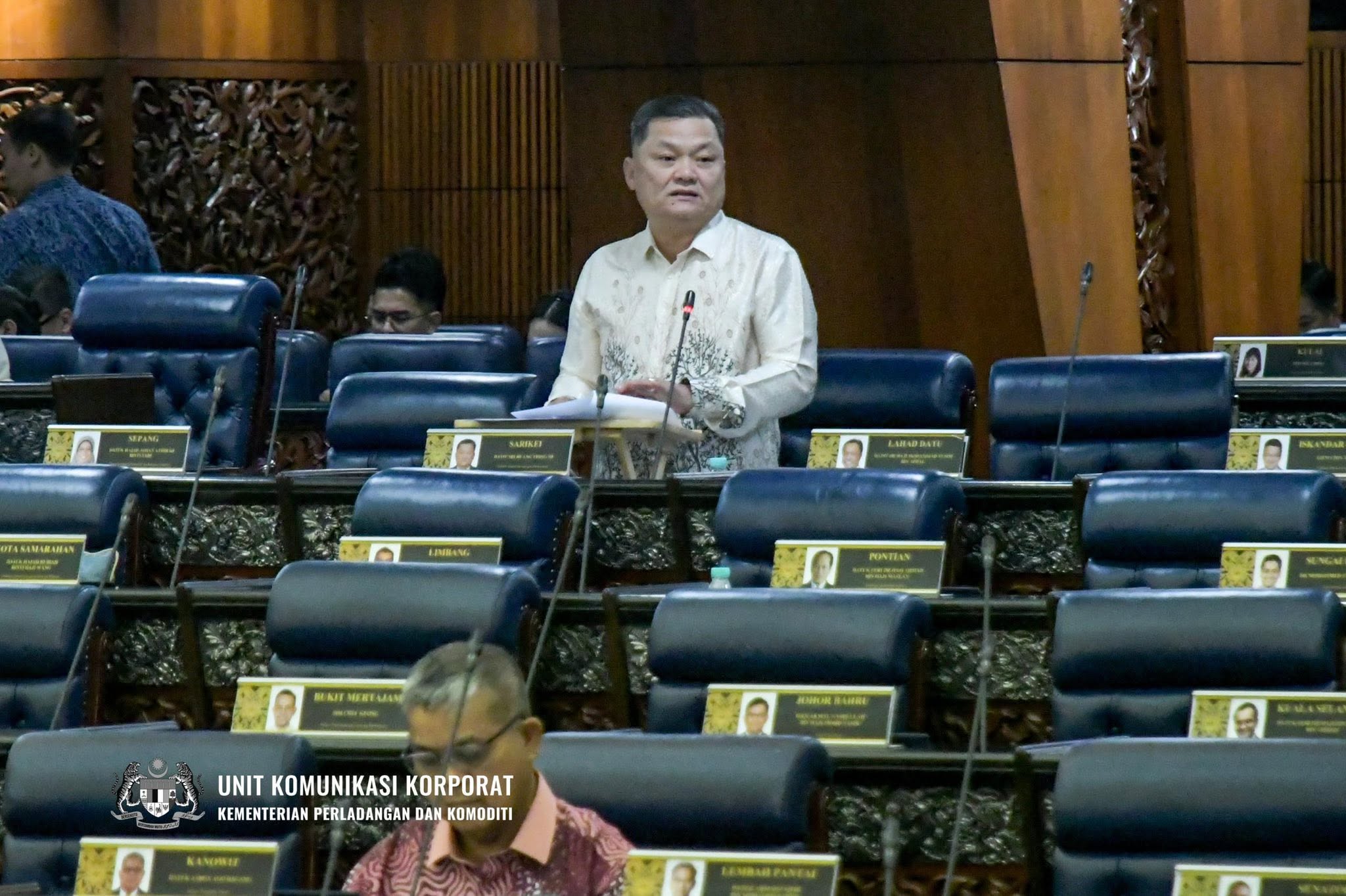
KUALA LUMPUR, 25 June 2026 (The Capital Post) – The Ministry of Plantation and Commodities (KPK) is intensifying efforts to strengthen Malaysia’s position as a leading producer of palm-based biodiesel and high-value downstream products amid the global transition towards a low-carbon economy.
According to a post on the official Facebook page of Kementerian Perladangan dan Komoditi – KPK, Deputy Minister of Plantation and Commodities Huang Tiong Sii reaffirmed the ministry’s commitment while responding to an oral question in the Dewan Rakyat on Thursday.
Under the National Agricommodity Policy 2030 (DAKN 2030), KPK is pursuing a dual-pronged strategy that focuses on strengthening existing markets while exploring more sustainable alternative feedstock sources to enhance the resilience and competitiveness of the country’s biodiesel industry.
Huang said Malaysia’s biodiesel export growth continues to be driven by rising global demand for Palm Methyl Ester (PME) and Used Cooking Oil Methyl Ester (UCOME) as low-carbon fuel alternatives.
-Advertisement-
However, he noted that export performance is also influenced by the price gap between palm-based biodiesel and petroleum diesel, which affects the competitiveness of Malaysian biodiesel products in international markets.
As part of the nation’s sustainability agenda, KPK is accelerating the development of second-generation biodiesel derived from sustainable feedstocks such as Palm Oil Mill Effluent (POME) and used cooking oil (UCO).
The ministry, together with the Malaysian Palm Oil Board (MPOB), is also strengthening research and development efforts to advance Hydrotreated Vegetable Oil (HVO) and Sustainable Aviation Fuel (SAF) technologies, which are expected to serve as new growth drivers for Malaysia’s biofuel industry. – The Capital Post.