

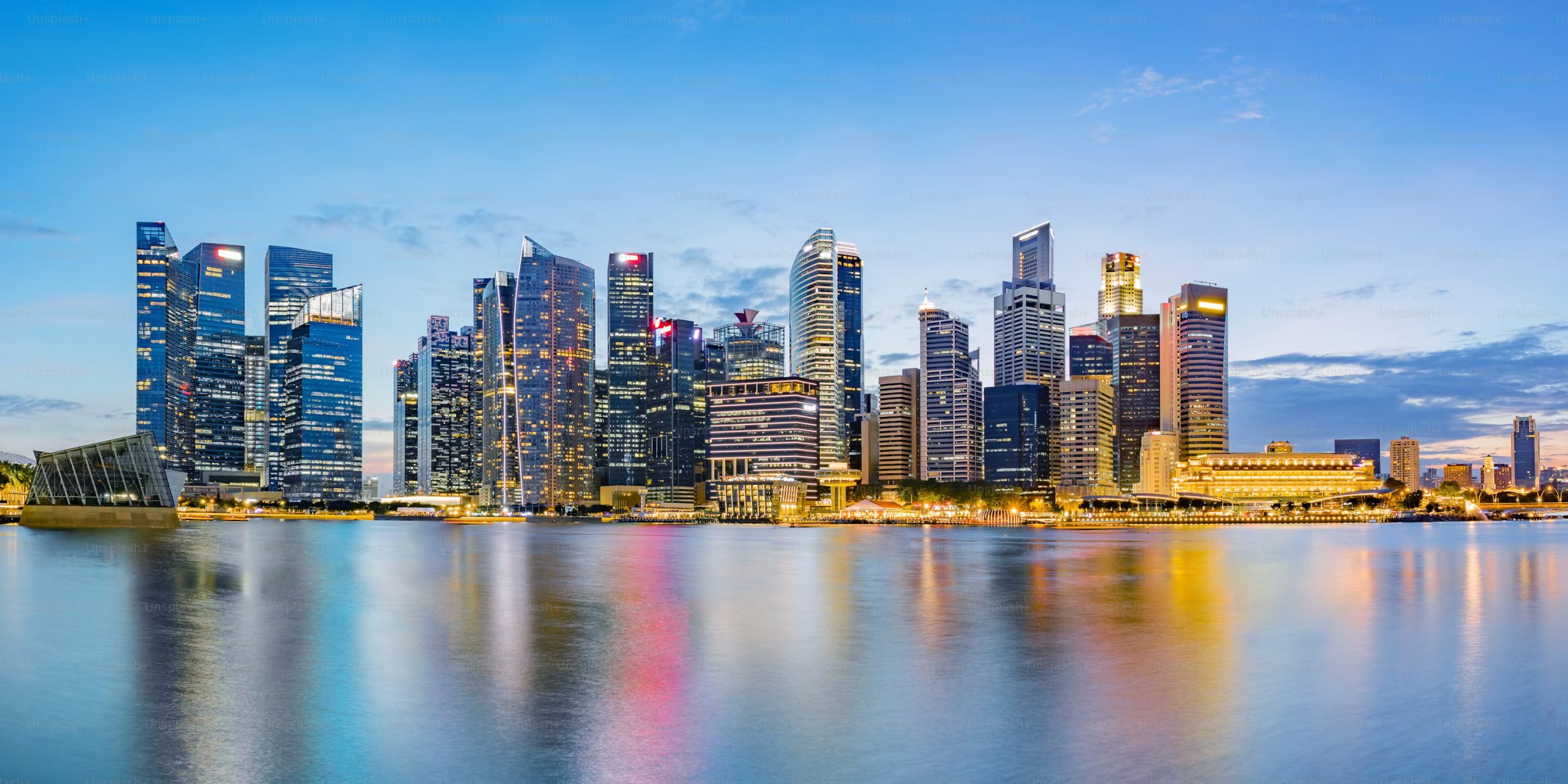
SINGAPORE 14 April 2026 (The Capital Post) – Singapore has moved to tighten its monetary policy settings as rising global oil prices and ongoing geopolitical tensions drive inflationary pressures across the economy.
The Monetary Authority of Singapore (MAS) adjusted its policy stance in response to the surge in energy costs linked to the Middle East conflict, which has disrupted supply chains and increased import prices. Analysts noted that the decision reflects growing concerns that prolonged high oil prices could push inflation beyond earlier projections.
Unlike many central banks that rely on interest rates, MAS manages monetary policy through the exchange rate by guiding the Singapore dollar against a basket of currencies. The latest move is expected to allow for a faster appreciation of the currency, helping to offset imported inflation and stabilise domestic prices.
Economists had widely anticipated the tightening, with the majority expecting MAS to act during its April policy review as inflation risks intensified. The oil shock, driven by disruptions in key shipping routes and geopolitical uncertainty, has significantly raised energy and transportation costs in the city-state.
-Advertisement-
Singapore’s heavy reliance on imported energy has made it particularly vulnerable to global price fluctuations. Businesses are already facing higher operational costs, while households are experiencing rising expenses for fuel, electricity and daily necessities.
Despite the tightening move, policymakers are expected to strike a careful balance between controlling inflation and supporting economic growth, as external uncertainties continue to cloud the outlook. Early indicators suggest that while the economy remains resilient, growth may slow in the coming months due to higher costs and weaker global demand.
The policy adjustment positions Singapore among the first economies in the region to respond decisively to the latest energy-driven inflation shock, underscoring the urgency of maintaining price stability in an increasingly volatile global environment. -The Capital Post