

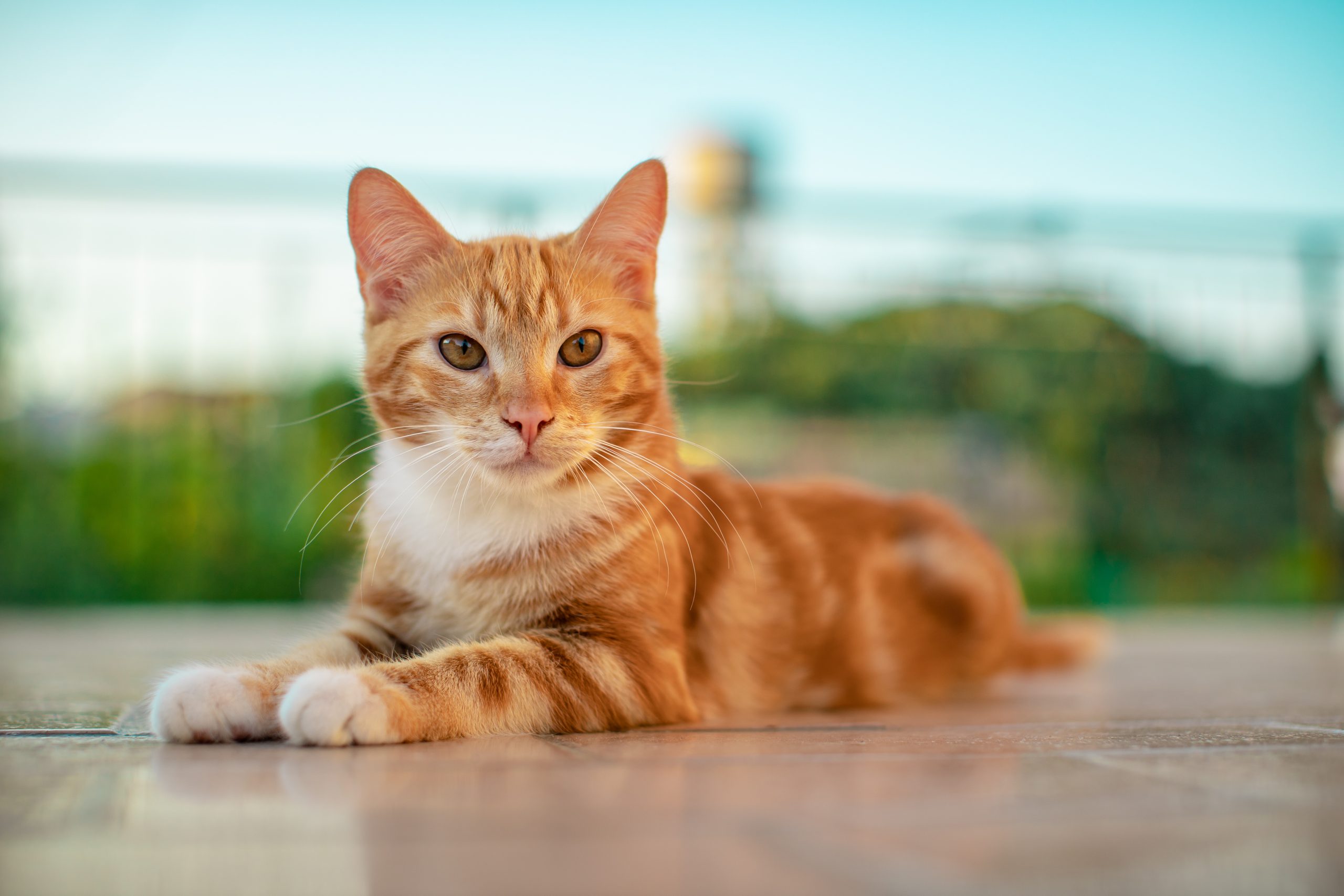
KUALA LUMPUR, 19 July 2026 (The Capital Post) – In today’s fast-moving digital landscape, online trends often disappear as quickly as they emerge. Yet amid the constant churn of viral content, one unlikely figure has consistently retained its appeal across generations and platforms — the cat.
According to Cindy Poh Huay Yuet, Programme Director of the Bachelor of Mass Communication (Honours) in Advertising and Brand Management at Taylor’s University, feline content has evolved beyond internet entertainment into a powerful driver of engagement within the modern attention economy.
She argued that while brands race to keep pace with ever-changing social media trends, cats have remained remarkably resilient, adapting from ancient cultural symbols to today’s algorithm-driven digital platforms.
Poh pointed to a recent example at LRT Wangsa Maju, where a resident cat gained widespread attention on social media, turning the station into an unexpected destination. Rather than simply viewing the viral content, users actively contributed by sharing their own photos and stories of the feline, creating sustained engagement that extended beyond the original post.
She said the episode demonstrated how organic content centred around a familiar and authentic subject could generate stronger public participation than many conventional marketing campaigns.
Poh attributed the phenomenon in part to the “Lindy Effect”, which suggests that the longer something has remained relevant, the more likely it is to continue enduring. Cats, she noted, have maintained cultural significance for thousands of years while successfully adapting to new forms of media.
Beyond longevity, she said cats possess a unique advantage because of their ambiguous behaviour, allowing audiences from different cultures and backgrounds to interpret and relate to them in their own way. This adaptability enables feline content to resonate across geographical and linguistic boundaries with minimal adjustment.
-Advertisement-
From a branding perspective, Poh identified three key strengths that distinguish cats from traditional influencers: efficiency, visibility and credibility.
She explained that cats consistently generate strong engagement without requiring expensive production or celebrity endorsements, while their unpredictable behaviour naturally captures audience attention and encourages longer viewing times on social media platforms.
Perhaps most importantly, she said, cats are perceived as authentic at a time when consumers have become increasingly sceptical of heavily curated influencer content.
As artificial intelligence (AI) continues to transform digital content creation, Poh believes authenticity has become even more valuable. While AI can replicate visual quality and generate convincing content, she argued that it struggles to reproduce the spontaneity and unpredictability that audiences instinctively associate with genuine experiences.
In an increasingly AI-driven media environment, she said the enduring popularity of cats reflects audiences’ continued preference for content that feels natural rather than engineered.
The article was contributed by Cindy Poh Huay Yuet, Programme Director of the Bachelor of Mass Communication (Honours) in Advertising and Brand Management at the School of Media and Communication, Faculty of Social Sciences and Leisure Management, Taylor’s University. – The Capital Post.